7th Edition of Cardiology World Conference
October 08-10, 2026 | Virtual Event
Coronary Artery and Vascular Diseases
The progression of coronary artery and vascular diseases is often insidious, with many individuals unaware of the gradual narrowing of their blood vessels until more severe health issues arise. These diseases are typically characterized by the buildup of plaque within the coronary arteries or in peripheral vessels, leading to restricted blood flow. Risk factors like hypertension, diabetes, and a sedentary lifestyle contribute significantly to the development of these conditions. Management strategies include controlling cholesterol levels, incorporating regular physical activity, and, in more severe cases, employing interventional procedures such as stent placement or surgery. By addressing the root causes and taking proactive measures, patients can prevent further progression and mitigate the risk of heart attacks or strokes.
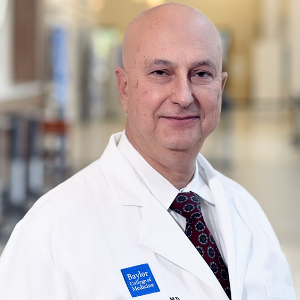
Yochai Birnbaum
Baylor College of Medicine, United States
Uwe Peter Tigor
Auxilius Pharma, United States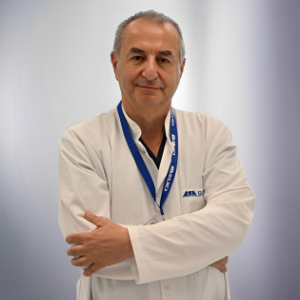
Sekib Sokolovic
ASA Hospital, Bosnia and Herzegowina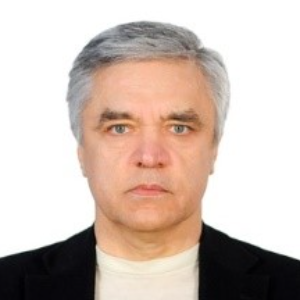
Sergey Suchkov
N.D. Zelinskii Institute for Organic Chemistry of the Russian Academy of Sciences, Russian Federation
Syed Raza
Awali Hospital, Bahrain
Sekib Sokolovic
ASA Hospital, Bosnia and Herzegowina
Thomas J Webster
Brown University, United StatesSubmit your abstract Today


Title : Personalized and precision medicine (PPM) as a unique healthcare model through biodesign-driven translational applications and cardiology-related healthcare marketing to secure the human healthcare and biosafety
Sergey Suchkov, N.D. Zelinskii Institute for Organic Chemistry of the Russian Academy of Sciences, Russian Federation
Title : Beyond weight loss and diabetes control GLP 1 agonists paradigm shift in Cardiovascular care .
Syed Raza, Awali Hospital, Bahrain
Title : Vericiguat Inhibits the Progress of Cardiac Hypertrophy and Prevents Hypertrophy Induced Heart Failure by Multiple Mechanisms
Guo Wei He, TEDA International Cardiovascular Hospital, Tianjin University, China
Title : Therapeutic pneumoperitoneum mimicking inferior myocardial infarction and right ventricular aneurysm: A case report
Abhinav Prithvi Venkata Sesha Kanigicherla, University Hospital Coventry and Warwickshire NHS Trust, United Kingdom
Title : Multisystem IgG4-related disease with cardiac involvement mimicking cardiac sarcoidosis: a diagnostic challenge background
Natasha Manuelpillai, Salisbury District Hospital- NHS, United Kingdom
Title : Coronary revascularization in patients with diabetes: Prospects for stenting in patients with type 1 diabetes and coronary artery disease
Mekhman N Mamedov, National Research Center for Therapy and Preventive Medicine, Russian Federation