HYBRID EVENT: Join us in person in Tokyo, Japan or attend virtually from anywhere.

7th Edition of Cardiology World Conference

October 08-10, 2026 | Tokyo, Japan

October 08 -10, 2026 | Tokyo, Japan
Cardio 2025

Preventing sports-related cardiac arrest: Coronary artery calcium scoring stratifies the benefit of low-dose aspirin use for risk reduction

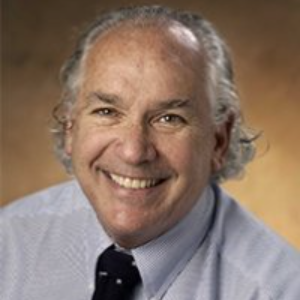
Arthur J Siegel, Speaker at Cardiovascular Conference
Massachusetts General Hospital, United States
Title : Preventing sports-related cardiac arrest: Coronary artery calcium scoring stratifies the benefit of low-dose aspirin use for risk reduction

Abstract:

While habitual endurance exercise such as training for a marathon is quintessentially cardioprotective, running such a race paradoxically confers a transiently increased risk for cardiac arrest and sudden death. The frequency of such events increased significantly in United States road races since 2000, mainly in middle-aged men with subclinical coronary atherosclerosis. As low-dose aspirin use is evidence-based to reduce first heart attacks in middle-aged men by 43% in a randomized controlled primary prevention trial, such use in the absence of clinical contraindications is recommended to reduce the transiently elevated risk for cardiac arrest and sudden death during or after such races. Based on enhanced risk stratification with coronary artery calcium scoring, low-dose aspirin use is prudent for at-risk sports-active persons to reduce the risk for exertional cardiac arrest. This advice applies especially to individuals over age 60 among whom this risk is increased due to age.

Biography:

After completing internal medicine residency interrupted by military service in Vietnam, Dr. Siegel initiated a primary care practice at the Brigham in the early 1970s, which evolved into the teaching practice for the primary care residency program.  He also founded the MGH internal medicine Associates, Belmont, embedded in McLean Hospital in the 1990s. His research on Boston marathon runners has enhanced the safety of the sport, including evidence-based treatments for cerebral edema due to exercise-related hyponatremia and low-dose aspirin use to reduce the transiently increased race-related risk for cardiac arrest. He is an associate professor of medicine at Harvard Medical School and a fellow in the American College of Physicians.

Watsapp