8th Edition of Cardiology World Conference
September 27-29, 2027 | London, UK
Cardiac Surgeons
Cardiac Surgeons are highly trained specialists who perform complex surgeries to treat a variety of heart conditions. These professionals are experts in procedures such as coronary artery bypass grafting (CABG), heart valve replacements, and heart transplants. They are also skilled in treating congenital heart defects and addressing structural issues within the heart. Cardiac surgery is often required for patients whose heart disease has reached an advanced stage and cannot be managed through medications or non-invasive treatments. These surgeons are instrumental in saving lives and improving heart function, providing critical interventions that restore cardiovascular health.
They are responsible for preoperative evaluations, ensuring that patients are fit for surgery, and post-operative management to monitor recovery and prevent complications. Their role extends to providing patients with guidance on lifestyle changes and heart disease prevention during the recovery period. By staying at the forefront of surgical advancements, cardiac surgeons are able to offer the latest treatments, ensuring that their patients benefit from the most effective and minimally invasive options available. Their work is critical not only in saving lives but also in improving the long-term health and well-being of individuals with heart conditions. With their expertise, patients are able to return to a higher quality of life after undergoing major cardiovascular surgeries
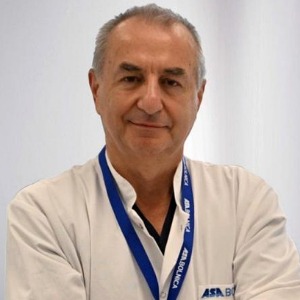
Sekib Sokolovic
ASA Hospital, Bosnia and Herzegowina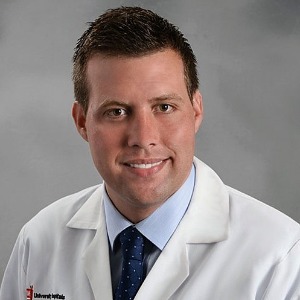
James V Cireddu
Case Western University, United States
Iris Panagiota Efthymiou
Regent College London, United KingdomSubmit your abstract Today


Title : Complete heart block and persistent left SVC: A pacing challenge after AV canal repair
Moataz Taha Mahmoud, Madinah Cardiac Center, Saudi Arabia
Title : Chemical detergent anionic surfactant-inducing dry cardiomyopathy (Yasser's cardiomyopathy) with parallel pupils/CXR phenomenon (Yasser's ophthalmic phenomenon), up-down Yasser's alternance, S1Q3 flat T3 pattern - Dramatic response to honey with possible cardiac regeneration - A case report
Yasser Mohammed Hassanain Elsayed, Egyptian Ministry of Health, Egypt
Title : Stabilization of molecular structures in red blood cell membrane by magnetite nanoparticles (ICNB) during storage
Andrey Belousov, Laboratory of Applied Nanotechnology of Belousov and Kharkiv National Medical University, Ukraine